The moment you start planning your day around leg discomfort, you realize this is not a vanity issue. By late afternoon your calves feel heavy, your socks leave deep marks, and those ropey lines on the inside of your thigh ache when you climb stairs. You search for help and find a dozen options nearby. Each promises relief and beautiful legs. The stakes are higher than cosmetics. You need a clinic that can diagnose the source of the problem, stop reflux in failing veins, and tailor treatment so it lasts.
When a dedicated vein clinic makes sense
People often wait until varicose veins bulge before seeking care. Earlier signs are easy to dismiss. If you regularly feel leg heaviness, itching around the ankles, evening swelling, or restless legs that make it hard to sit through a movie, you may have chronic venous insufficiency. Some notice brownish ankle discoloration, tender clusters of veins behind the knee, or cramping at night. If you stand for a living, travel frequently, are postpartum, or have a family history, the threshold for evaluation should be even lower.
A focused vein clinic can be the right first stop because the team spends the bulk of their day diagnosing and treating venous disease, not just performing one-off procedures. From my experience consulting patients across age groups, the turning point is often the first full ultrasound. People who thought they only had spider veins learn that a deeper saphenous vein is leaking and feeding those surface branches. Fix the source, and the cosmetic veins often respond far better. Skip the source, and you buy yourself a year or two of improvement at best.
What to expect at a vein clinic
A good clinic visit is structured, not rushed. Plan 60 to 90 minutes for an initial consultation and testing. It starts with symptoms and history. The provider will ask when your legs feel worst, what helps, if you have clots, bleeding, or ulcers, and whether pregnancies or hormone therapy changed your veins. Medications, weight changes, and work duties matter. These details shape the working diagnosis before anyone touches a probe.
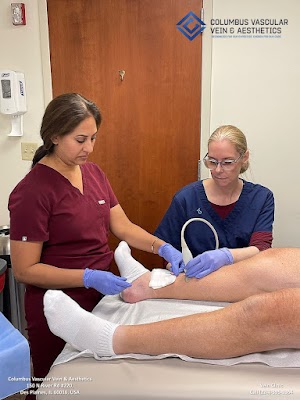
Then comes duplex ultrasound, the backbone of how vein clinics diagnose vein disease. This is not the quick gel swipe you get in an ER. It is a detailed map performed with you standing or in a reverse Trendelenburg position so gravity stresses the system. The technologist tests for reflux in the great and small saphenous veins, accessory trunks, and perforators. They also screen for deep vein thrombosis if your symptoms or exam point that way. If your clinic does not do vein mapping in house, ask who performs it, how reflux is measured, and if images are stored for review.
You will typically see your reflux times in seconds. Values longer than a threshold, for example more than half a second in superficial veins and more than one second in deep veins, indicate valve failure. You will hear terms like CEAP classification and VCSS score, which help categorize disease severity and track progress. This is where a good clinician separates cosmetic spider veins from a true drainage problem.
Once imaging is done, the provider will propose a sequence. Think of it as a vein clinic treatment plan explained in clear steps. Usually this starts with addressing the leaking trunk vein first, then closing feeding branches, and finally cleaning up residual spider veins with targeted injections. The order matters. If someone recommends sclerotherapy alone for extensive surface veins without checking for reflux, press pause.
How vein clinics treat varicose and spider veins
Most quality clinics favor minimally invasive, non surgical vein treatments at clinics because they work, heal fast, and do not require general anesthesia. You should expect a frank conversation about options and trade-offs.
Radiofrequency ablation and endovenous laser therapy are the mainstays for closing an incompetent saphenous vein. Both use a thin catheter threaded into the vein under ultrasound guidance, then deliver heat to seal the vein from the inside. Radiofrequency ablation, often called RFA, uses thermal energy at controlled temperatures and tends to cause less post procedure tenderness in some studies. Endovenous laser therapy, EVLT or EVLA, uses a laser fiber. Modern lasers at 1470 nm and radial fibers have narrowed the comfort gap. In skilled hands, radiofrequency vs laser vein clinic treatments have similar closure rates, often above 90 to 95 percent at one year, with low complication rates.
Adhesive closure systems exist as well, using medical glue to seal the vein. These can reduce the need for tumescent anesthesia, but insurers may be more restrictive and the long term data is still catching up in some populations. A reputable clinic will discuss where the evidence is strong and where it is evolving.
Sclerotherapy at a vein clinic explained simply means a medication is injected into a vein to irritate the lining so it collapses and scars down. For spider veins and small varicosities, liquid sclerosants work well. For larger branches, foam sclerotherapy, which mixes the agent with gas to displace blood and increase contact, improves effectiveness. Foam is typically guided by ultrasound for deeper vessels. Expect to need two to three sessions for widespread spider veins. Your “before and after” photos may look dramatic at six to eight weeks, but peak cosmetic results often land https://www.google.com/maps/d/u/0/edit?mid=18pxbOtWfOJHpGY2AoYU7gUMwirTNFjY&ll=42.07093018063077%2C-87.8867709426201&z=12 at three to four months as the body resorbs the treated veins.
Ambulatory phlebectomy is a micro removal of bulging veins through pinhole incisions with local anesthesia. It is quick and very satisfying for ropey tributaries that rise under the skin. Recovery includes small tape strips and compression. When combined with RFA or EVLT, it addresses both the root cause and the visible branches.
Clinics also treat special sites. Spider veins on the face are better managed with surface lasers or intense pulsed light rather than sclerotherapy to avoid skin injury. Hand vein treatment is usually a cosmetic conversation about proportion rather than disease. Pelvic vein issues, such as pelvic congestion or iliac vein compression, deserve a referral to a center with interventional radiology or vascular surgery support for venography and stenting if indicated. A clinic that knows when to involve a specialist is one you can trust.
Effectiveness, safety, and what recovery really feels like
If you ask how effective are vein clinics, the honest answer is that results hinge on choosing the right problem to fix and executing the plan well. Ablation of a refluxing saphenous vein has a high technical success rate and strong symptom relief for heaviness, swelling, throbbing, and night cramps. Many patients notice lighter legs within a week. For skin changes and ulcers, improvement tracks more slowly and depends on ulcer care, compression, and blood sugar control if diabetic.
Are vein clinic treatments painful? Most patients describe ablation as pressure and heat with brief stings from local anesthesia, then a tight or sore cord along the treated vein for a few days. Sclerotherapy stings at injection, then leaves minor welts or matting that fade. Phlebectomy sites feel bruised. Pain ratings are usually in the 2 to 4 out of 10 range with over the counter medication.
How safe are vein clinic procedures? Complications are uncommon. Nerve irritation happens in a small percentage, usually around the ankle near the small saphenous vein, and tends to improve over weeks. Skin burns and deep clots are rare with proper technique and early walking. Your provider should explain personal complication rates and how they mitigate risk, including ultrasound guidance for injections, sterile technique, and tumescent anesthesia to buffer heat.
Vein clinic recovery time explained often sounds too good to be true, yet it is brief for most. Plan to walk immediately after an ablation. You can often return to desk work the next day. People in physically demanding jobs may take two to three days. Sclerotherapy rarely requires time off. Bruising peaks at days three to five, then clears over two weeks. A realistic vein clinic healing timeline after ablation is one to two weeks of tightness and tenderness, with exercise back to baseline by week two. Full cosmetic clearing of spider veins takes longer.
What to avoid after vein clinic treatment depends on the procedure. After ablation or phlebectomy, avoid heavy lifting for a week, hot tubs for 48 hours, and long sedentary travel for several days. After sclerotherapy, avoid sun exposure on treated areas to prevent pigmentation. Compression stockings are typically worn for one to two weeks, sometimes longer for extensive work. Does walking help after vein clinic treatment? Absolutely, several short walks daily reduce clot risk and improve soreness. Travel after vein clinic procedures is fine once you can walk frequently, hydrate, and wear compression.
How long do vein clinic results last? Closing a failed saphenous trunk is durable. New varicosities can appear over years due to genetics or life events, but they tend to be smaller and easier to manage. Spider veins often need maintenance sessions every one to three years, influenced by hormones, occupations with standing, and sun exposure. That is the reality of chronic vein disease, not a failure of treatment.
Vein clinic vs vascular surgeon differences
This is a common point of confusion. A vein clinic can be staffed by board certified vascular surgeons, interventional radiologists, or physicians with phlebology expertise. Credentials matter less than training, case volume, and whether the clinic can manage the full spectrum of venous disease. For isolated superficial reflux, a well run clinic is ideal. If you have complex problems like deep venous obstruction, recurrent ulcers despite prior treatment, or suspected iliac compression, you may need a vascular surgeon or interventional radiologist with hospital based resources.
Can vein clinics prevent surgery? In many cases, yes. Minimally invasive ablation and phlebectomy have replaced vein stripping and reduce the need for open procedures. A good clinic also knows its limits. Ask how they coordinate with hospital based teams for DVT that needs lysis, for pelvic vein embolization, or for venous stenting. A clinic that says they treat everything without partnerships is a red flag.
Medical vs cosmetic care, and insurance realities
Does insurance cover vein clinic treatments? Coverage depends on medical necessity. Plans typically require documented symptoms like pain, swelling, skin changes, or ulceration, and objective ultrasound evidence of reflux. They often ask for a compression stocking trial of 6 to 12 weeks before authorization. Cosmetic spider veins alone are usually not covered. Expect your clinic to photograph your legs, log your VCSS score, and collect a symptom diary. Pre authorization should be handled by the clinic. If you get a surprise bill, that is a process failure.
Are vein clinics worth it if your symptoms are mild? If your goal is cosmetic confidence, sclerotherapy can be very satisfying. If your legs ache or swell, early treatment can improve quality of life, cut down on evening fatigue, and prevent skin damage. Delaying care rarely makes reflux vanish. Home remedies, including natural treatments and supplements, may reduce mild symptoms temporarily, but they do not correct valve failure. Compression stockings help, and I recommend them for travel, pregnancy, and long days on your feet, but they are a bridge, not a cure.
Technology and equipment that actually matter
Vein clinic technology and equipment can tell you a lot about quality. Look for modern duplex ultrasound machines with vascular presets, not repurposed obstetric scanners. Ask if ultrasound guidance is used for all injections and catheter placement. For ablation, radiofrequency generators and 1470 nm radial fiber lasers are well supported. The clinic should offer tumescent anesthesia to protect surrounding tissue during thermal ablation. For foam sclerotherapy, ask about the agent used and whether they follow established protocols to limit systemic exposure.
Latest advancements in vein clinics include image guided foam techniques, improved laser fibers that reduce post procedure pain, and more focus on perforator evaluation in selected cases. None of these replace sound judgment. Flashy gadgets that promise to erase veins without addressing reflux are more marketing than medicine.
The core checklist, and how to use it
Use this to narrow the field to two or three clinics worth visiting in person.
- Credentials and scope: Who performs procedures, and can they manage both refluxing trunks and tributaries? Imaging quality: Do they do standing duplex ultrasound with reflux measurements and store images? Treatment range: Do they offer RFA, EVLT, foam sclerotherapy, and phlebectomy, not just one tool? Outcomes and follow up: Will they show you closure rates, complication rates, and a maintenance plan? Insurance and transparency: Do they verify coverage, explain medical vs cosmetic costs, and give clear estimates?
Let me unpack why each point matters. Credentials and scope cut to the heart of expertise. A clinic where a board certified vascular specialist reviews your ultrasound and designs the plan has oversight you can feel. It is not that non surgeons cannot be excellent. Many are. What you want is a clinician who treats venous disease weekly, not occasionally, and who can adjust your plan when branches do not behave.
Imaging quality determines diagnosis. A rushed ultrasound that says “mild reflux” without quantifying it or mapping tributaries leaves you paying for guesswork. Standing or reverse Trendelenburg testing reveals reflux that lying scans miss. Stored images allow the physician to correlate symptoms with anatomy and create a precise vein mapping at a vein clinic.
Treatment range matters because veins are not one size fits all. Some segments are perfect for ablation, others for foam, and some for micro removal. A clinic equipped with just sclerotherapy needles may be great for facial spider veins, but it will fail you if your great saphenous trunk is wide and refluxing along the thigh. Conversely, a center that only ablates everything may miss cosmetic refinements that make the result look finished.
Outcomes and follow up separate professionals from salespeople. It is fair to ask, how effective are your treatments, how often do veins recanalize, and how do you handle it? Look for structured follow up at one week and three months with repeat ultrasound to confirm closure and plan tributary care. A vein clinic before and after gallery is nice, but data plus a defined vein clinic maintenance and follow up schedule inspires more confidence.
Insurance and transparency reduce headaches. A team that explains which symptoms meet coverage criteria, how long a stocking trial must be, and what a cosmetic session costs out of pocket respects your budget. If pricing feels opaque, keep looking.
Red flags to watch for
- No ultrasound or only a cursory scan before recommending injections One technique pushed for every patient regardless of anatomy No discussion of risks, alternatives, or what to expect at a vein clinic aftercare High pressure sales tactics or “specials that expire today” No plan for DVT screening or coordination with vascular partners for complex cases
These patterns show a clinic focused on throughput over outcomes. A good practice will slow down when your story does not match the scan, and will refer you rather than improvise outside their scope.
Preparing for your first visit
A little prep improves the quality of your consultation. Bring a list of symptoms with timing, what worsens them, and how compression affects your day. Note family history, pregnancies, hormone therapy, prior clots, and previous vein procedures. Wear or bring your stockings if you use them. Hydrate and avoid heavy lotion on the legs before ultrasound, as it can interfere with tape and sterile drapes.
What not to do before vein treatment is simple. Skip tanning sprays that stain skin and obscure landmarks. Avoid new supplements in the week prior, especially those that affect bleeding. If you take blood thinners, do not stop them without explicit guidance from your clinician. Confirm whether to hold NSAIDs before sclerotherapy, as some providers prefer you avoid them.
Questions to ask your vein clinic should be practical. What is my primary source of reflux, and how will you treat it? How many sessions should I expect, and in what order? What are the likely side effects for me, given my anatomy? Can I work after vein clinic treatment the next day? How will you manage recurrences if they happen?
Aftercare you can live with
Vein clinic aftercare tips make the first week smoother. Wear prescribed compression during the day, remove at night unless told otherwise. Walk for 10 minutes every hour you are awake on day one, then resume normal errands. Elevate legs in the evening to cut down on swelling. To reduce bruising after vein treatment, use compression, ice packs for short intervals, and consider arnica if your clinician approves it. Avoid heat for 48 hours, then consider warm showers to soothe tightness along the treated vein.
Exercise after vein clinic treatment usually resumes quickly. Light walking starts day one, stationary cycling by day two, and running once tenderness eases, often by week two. Heavy lifting and high impact moves wait a week. If you feel a rope-like tender line, that is the sealed vein, not a clot. Your team should show you how to differentiate normal healing from warning signs like sudden calf swelling, chest pain, or shortness of breath, which need immediate care.
Special situations and how clinics adapt
Vein clinic treatments for women often intersect with hormones and pregnancy. Estrogen and progesterone affect vein tone, which is why spider veins can bloom during pregnancy. Many clinics defer elective treatment until after delivery and breastfeeding, using compression to bridge. For men, the barrier is often cultural rather than anatomic. Men present later and with larger tributaries. The method is the same, but counseling focuses on function over appearance.
Older adults can benefit greatly, especially for leg pain and swelling that limit walking. Skin that has thickened and darkened around the ankle may brighten over months after reflux is treated, though long standing discoloration can persist. Younger patients, including athletes, want quick recovery and durable results. Clinics tailor plans to training schedules, often tackling one leg at a time and aiming for off season blocks. A vein clinic treatment for athletes can remove a surprising amount of heavy leg sensation that saps endurance.
If your job involves standing, like nursing or teaching, you will hear about compression and micro breaks. A vein clinic for standing jobs leg pain adds ergonomic tips and permissions letters for sit stand options. For restless legs symptoms linked to venous disease, treating reflux sometimes helps, though not all restless legs come from veins. That nuance should be part of counseling.
Why veins come back, and what to do about it
Why varicose veins come back after treatment is a fair worry. True recurrence can happen when a new pathway develops or a treated segment recanalizes. Genetics, weight gain, new hormonal states, and occupational strain all play roles. A good clinic sets expectations. Plan a yearly check in if your disease was advanced, or every two to three years if mild. Small touch ups with foam or a few phlebectomy spots can keep legs comfortable without repeating the heavy lift.
Lifestyle changes recommended by vein clinics are not magic, but they stack the odds. Keep walking. Aiming for 7,000 to 10,000 steps helps the calf muscle pump circulation. Diet tips from vein specialists are practical: reduce added salt to ease swelling, emphasize fiber to avoid straining that worsens pelvic pressure, and maintain a healthy weight to cut venous load. Elevation in the evening, even for 15 minutes, is free medicine. Vein clinic for circulation problems is not about arteries here, it is about venous return. Calf raises at the sink while brushing your teeth are simple and surprisingly effective.
Are vein clinics worth it?
If all you want is to hide a few veins for summer photos, a med spa with surface lasers may tempt you. If you want durable relief from leg pain, swelling, and fatigue, a medical vein clinic that can diagnose reflux and treat it from trunk to tributary is worth the time. Patients describe sleeping through the night without cramps for the first time in years, walking off a flight without ankles ballooning, and wearing socks without dents. The quality of life improvement is not subtle.
Real results from vein clinic treatments show up in daily choices. You park a little farther and walk. You say yes to a hike. You finish a shift on your feet and still have gas in the tank. For many, that is the point.
One last comparison, because people ask
Vein clinic vs home remedies for veins is like plumbing vs a mop. Elevation and compression manage the spill. Ablation and sclerotherapy fix the leak. Vein clinic vs compression stockings can be both, not either. Stockings are useful during conservative trials, pregnancy, travel, and recovery. They are not a cure on their own.
Which vein clinic treatment is best depends on your anatomy. Radiofrequency ablation is excellent for many great saphenous veins. EVLT performs as well with modern fibers. Foam sclerotherapy shines for tortuous branches that a catheter cannot navigate. Phlebectomy is best for bulging tributaries you can pinch. The best treatments offered at a vein clinic come in combinations, sequenced based on a real map of your veins.
Pick the clinic that can explain your map without jargon, offers choices with pros and cons, and walks you through what happens next. That is how you choose the right vein clinic, and it is the path that gets you back to legs that feel like yours again.